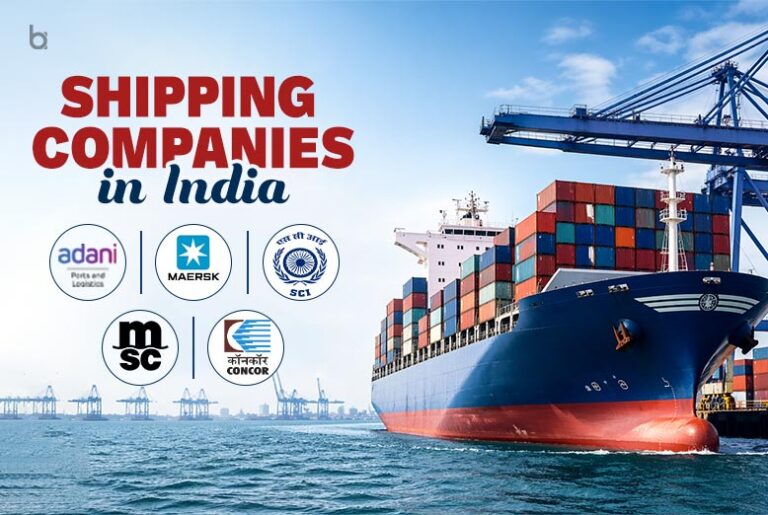
Rising freight costs, delayed shipments, and unclear logistics often create real pressure for businesses and exporters. In such a landscape, understanding the right shipping companies in India becomes more than just research. It becomes a strategic necessity. The choice of a logistics partner directly impacts delivery timelines, cost efficiency, and global competitiveness.
India’s maritime sector is expanding at a steady pace. Moreover, global trade shifts, digital logistics, and infrastructure investments are reshaping how cargo moves. Therefore, knowing which companies lead, adapt, and scale efficiently can offer a clear advantage. Some firms dominate through infrastructure, while others win through global reach or financial discipline.
This article breaks down the leading players shaping India’s shipping ecosystem. It also explores their market presence, evolving industry trends, and future growth opportunities. As a result, readers gain a clear, practical understanding of where the sector stands today and where it is heading next.
Here are the top 10 shipping companies in India
| Company Name | Core Service Focus |
| Adani Ports & SEZ | Integrated Port-to-Logistics |
| Maersk Line India | Digital Container Supply Chain |
| Shipping Corp. of India (SCI) | Bulk, Tankers, & Govt. Trade |
| MSC (Mediterranean) | High-Frequency Global Routes |
| Great Eastern Shipping | Crude Oil & Offshore Energy |
| Allcargo Logistics | Multimodal & Customs |
| CMA CGM | Door-to-Door Container Tech |
| JSW Infrastructure | Port Operations & Dry Bulk |
| Container Corp. (CONCOR) | Inland Container Depots (ICD) |
| Hapag-Lloyd | Specialized & Hazardous Cargo |
1. Adani Ports & SEZ
Adani Ports has steadily shaped India’s maritime trade with scale and control over logistics networks. It operates the largest private port ecosystem in the country. Moreover, it connects ports with rail, road, and warehousing systems. This integration improves turnaround time and reduces logistics costs.
Among shipping companies in India, Adani Ports stands out due to its infrastructure-led positioning. It does not depend only on cargo handling. Instead, it builds an end-to-end logistics chain that supports exporters and importers. As trade volumes rise, this model creates consistent revenue streams.
Furthermore, the company benefits from policy support and coastal development. Its aggressive expansion strategy also strengthens market dominance. Over time, Adani Ports continues to align with India’s global trade ambitions, making it a long-term growth driver.
2. Maersk Line India
Maersk has transformed from a shipping line into a global logistics integrator. It focuses on offering seamless cargo movement across continents. In India, it plays a crucial role in linking domestic trade with international markets.
A.P. Moller–Maersk positions itself as a full supply chain partner rather than a traditional carrier. Therefore, it combines shipping with warehousing, customs handling, and digital tracking. This approach improves visibility and efficiency for businesses.
Its operations reflect strong global demand trends, especially in containerized trade. Moreover, Maersk continues to invest in sustainability and digital platforms. These moves help reduce costs and increase transparency. As a result, it maintains leadership across major trade routes connected to India.
3. Shipping Corporation of India
Shipping Corporation of India carries a legacy that dates back to the early years of India’s maritime sector. It operates across oil tankers, bulk carriers, and offshore services. Therefore, it supports critical industries like energy and infrastructure.
Its role as one of the oldest shipping companies in India adds strategic importance. Government ownership ensures reliability in essential cargo movement. However, the company faces rising competition from private players. Still, its diversified fleet provides stability.
Moreover, global trade recovery offers new opportunities. SCI can benefit from higher demand in crude transport and bulk commodities. With gradual reforms and modernization, it continues to remain relevant. Its balanced presence across segments helps manage market volatility effectively.
4. MSC (Mediterranean Shipping Company)
MSC has built its reputation on scale and global reach. It operates one of the largest container fleets in the world. As a result, it connects India with major global markets efficiently.
The company focuses on volume-driven growth and route expansion. Moreover, it strengthens port partnerships to improve cargo handling. This strategy supports faster transit times and wider connectivity. Consequently, exporters benefit from reliable shipping options.
In the middle of this network, India remains a key market for container trade. MSC leverages rising export demand and manufacturing growth. Furthermore, it continues to expand capacity to meet future needs. Its consistent investment in fleet size ensures long-term competitiveness in global shipping.
5. Great Eastern Shipping
Great Eastern Shipping has built a reputation for financial discipline and operational efficiency. It focuses mainly on crude oil tankers and dry bulk carriers. Therefore, it aligns closely with global commodity cycles.
The company follows a cautious investment strategy. As a result, it maintains strong cash flows even during downturns. This approach reduces risk and ensures long-term stability. Moreover, it adapts quickly to market changes.
Recognized among shipping companies in India, it balances growth with capital protection. Rising energy demand and global trade expansion support its business outlook. Additionally, its fleet management strategy improves cost efficiency. Over time, Great Eastern continues to deliver steady performance in a volatile industry.
6. Allcargo Logistics
Allcargo Logistics plays a crucial role in connecting global supply chains. It specializes in less-than-container load services, which help small businesses ship goods efficiently. Moreover, it operates across sea, air, and land transport.
Its positioning goes beyond traditional shipping. Instead, it focuses on integrated logistics solutions. This approach allows clients to manage shipments with flexibility. As trade patterns evolve, such adaptability becomes essential.
Among shipping companies in India, Allcargo stands out for its global network and multimodal reach. It benefits from rising e-commerce and SME exports. Furthermore, its international presence strengthens India’s trade connectivity. With continuous expansion, Allcargo remains well placed to capture future logistics demand.
7. CMA CGM
CMA CGM has emerged as a technology-focused global shipping leader. It operates across major trade routes that connect India with Europe and Asia. Therefore, it plays a key role in containerized cargo movement.
The company invests heavily in digital platforms and green shipping solutions. As a result, it improves operational efficiency while reducing environmental impact. These efforts align with global sustainability trends.
Its market positioning focuses on innovation and long-term resilience. Moreover, rising export demand from India strengthens its regional presence. The company continues to expand services and partnerships. Over time, CMA CGM maintains a competitive edge through technology and strategic investments.
8. JSW Infrastructure
JSW Infrastructure continues to grow through its focused port-led strategy. It primarily serves industries like steel and energy. Therefore, it ensures consistent cargo volumes and stable revenue streams.
The company builds efficient terminals that support bulk cargo handling. Moreover, it benefits from strong backing by the JSW Group. This support enhances financial strength and expansion capability.
Positioned among shipping companies in India, JSW Infrastructure leverages industrial growth to scale operations. Additionally, government infrastructure initiatives support its expansion plans. As trade demand increases, it continues to invest in capacity. Its sector-focused approach helps maintain efficiency and long-term growth.
9. Container Corporation of India
Container Corporation of India plays a vital role in inland cargo movement. It connects ports with inland depots through rail networks. Therefore, it reduces transportation costs and transit time.
Its logistics model supports both exports and imports efficiently. Moreover, it benefits from dedicated freight corridors and policy support. These developments improve speed and reliability.
As one of the key shipping companies in India, CONCOR strengthens supply chain connectivity across regions. Its rail-based operations offer a cost advantage over road transport. Furthermore, rising trade volumes increase demand for such services. Over time, CONCOR remains essential to India’s logistics ecosystem.
10. Hapag-Lloyd
Hapag-Lloyd focuses on delivering consistent and high-quality container shipping services. It operates key trade routes that connect India to global markets. As a result, it supports exporters with reliable transit schedules.
The company positions itself as a premium carrier with strong customer service. Moreover, it invests in digital tools to improve shipment tracking and transparency. These efforts enhance user experience.
In India, its presence supports growing demand for efficient shipping solutions. Furthermore, global trade recovery strengthens its operational outlook. It continues to upgrade its fleet and services. Over time, Hapag-Lloyd maintains its position through reliability and operational excellence.
End Note
India’s shipping sector now operates at a critical intersection of policy support, global demand, and operational efficiency. Companies that combine infrastructure strength with logistics integration appear better positioned for sustained growth. Meanwhile, global players continue to influence standards through scale and innovation.
A closer evaluation shows that long-term success depends less on size alone and more on adaptability. Firms that align with trade flows, manage costs efficiently, and invest in technology are likely to outperform. As competitive intensity rises, strategic clarity will separate consistent performers from cyclical players.
Tejas Tahmankar
FAQ’s
1. What is the future of the shipping industry in India?
India’s shipping sector will grow with rising exports, port modernization, and logistics integration. Moreover, government initiatives like Sagarmala will boost efficiency. Digital tracking and green shipping will also shape operations. As trade expands, shipping companies in India will benefit from stronger global connectivity and increasing cargo volumes.
2. What is the shipping industry forecast for 2026?
By 2026, the shipping industry will see steady growth driven by global trade recovery and supply chain diversification. Container demand will rise, while freight rates may stabilize. Additionally, automation and sustainability investments will increase. Emerging markets like India will play a larger role in global shipping networks.
3. Who is the largest shipping company in the world?
The largest shipping company in the world is MSC (Mediterranean Shipping Company). It leads in container capacity and fleet size. Moreover, it operates across major global routes. Its scale, network reach, and continuous expansion strategy help maintain its top position in international shipping.