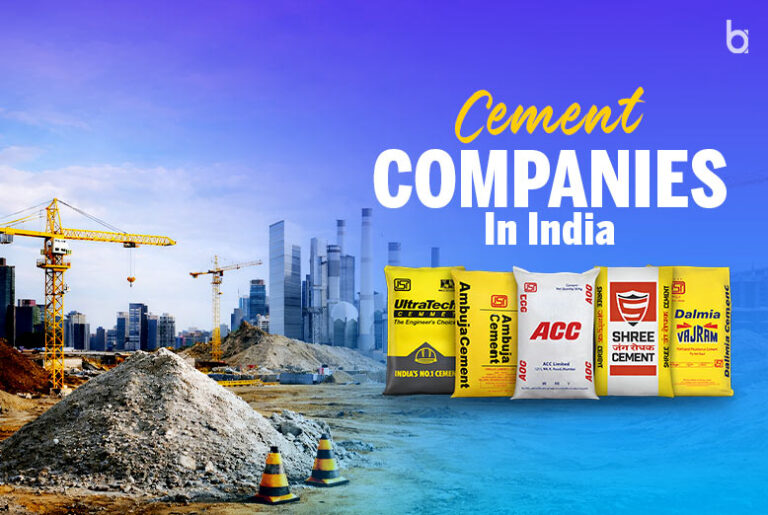
India’s infrastructure boom is not just about roads, bridges, and skyscrapers, it is built on the strength of an industry that quietly powers growth. The rise of leading cement companies in India reflects the country’s rapid urbanization, housing demand, and large-scale government projects.
From legacy giants established before independence to modern players driven by sustainability and innovation, this sector has evolved into a highly competitive and strategic market. Companies like UltraTech Cement Ltd. and Ambuja Cements Ltd. have scaled aggressively, while others have carved niches through efficiency, regional dominance, or eco-friendly solutions.
As India moves toward a $5 trillion economy, the cement industry stands at a crucial turning point. Capacity expansion, green cement, and digital transformation are shaping the next phase of growth, making this sector more dynamic than ever before.
Here are the 10 cement companies in India
| Companies | Revenue |
| UltraTech Cement Ltd. | ₹21,506 crore |
| Ambuja Cements Ltd. | ₹10,277 crore |
| ACC Ltd. | ₹6,391 crore |
| Shree Cement Ltd. | ₹4,800 crore |
| Dalmia Bharat Ltd. | ₹3,506 crore |
| JK Cement Ltd. | ₹3,463 crore |
| Birla Corporation Ltd. | ₹2,158.74 crore |
| Ramco Cements Ltd. | ₹2,105.68 crore |
| JSW Cement | ₹1,621.22 crore |
| HeidelbergCement India | ₹574.17 crore |
UltraTech Cement Ltd.
UltraTech Cement Ltd. stands as the largest among cement companies in India, backed by the Aditya Birla Group. Established in 1983, the company grew rapidly through acquisitions like L&T Cement and Jaypee Cement assets.
Over time, it built a pan-India presence and expanded globally. Its journey reflects consistent capacity expansion, operational efficiency, and strong brand positioning in both retail and infrastructure segments. Today, UltraTech leads with a massive production capacity and a diversified product portfolio.
Looking ahead from 2026, the company plans to increase its capacity beyond 200 MTPA while focusing heavily on green cement and carbon reduction initiatives. It is also investing in digital transformation and logistics optimization. With strong financials and strategic vision, UltraTech aims to maintain its leadership while adapting to sustainability demands and evolving construction trends.
Ambuja Cements Ltd.
Ambuja Cements Ltd. has been a key player among cement companies in India since its founding in 1983. Known initially for its efficient coastal logistics model, it quickly built a strong reputation for quality and innovation.
The company was later acquired by the Holcim Group, which brought global expertise. In recent years, it transitioned under the Adani Group, marking a new phase of aggressive growth. Ambuja’s journey reflects a shift from a regional brand to a national powerhouse with strong sustainability credentials.
From 2026 onward, the company plans to significantly expand capacity, strengthen its distribution network, and invest in green energy integration. It also aims to enhance operational efficiency through digital tools. With strong backing and strategic expansion plans, Ambuja is positioning itself to challenge industry leadership while focusing on cost leadership and environmental responsibility.
ACC Ltd.
ACC Ltd., one of the oldest cement companies in India, was established in 1936 and has played a foundational role in building the nation’s infrastructure. Originally formed by the merger of ten cement companies, ACC became synonymous with reliability and engineering excellence.
Over the decades, it adopted modern manufacturing practices and expanded its footprint across the country. Its association with global players like Holcim and later the Adani Group has strengthened its operational capabilities.
Looking forward from 2026, ACC aims to modernize plants, improve efficiency, and expand capacity in high-growth regions. It is also focusing on sustainable cement production, including waste heat recovery and alternative fuels. With a legacy of trust and a renewed growth strategy, ACC continues to evolve while maintaining its strong brand equity in both retail and institutional markets.
Shree Cement Ltd.
Shree Cement Ltd. has carved a niche among cement companies in India through its unmatched focus on cost efficiency and innovation. Founded in 1979 in Rajasthan, the company started modestly but scaled rapidly by adopting energy-efficient technologies. Its journey is marked by disciplined expansion and strong financial management, which helped it maintain industry-leading margins.
Shree Cement has also expanded beyond India into international markets like the UAE. As it moves into 2026 and beyond, the company plans to increase capacity significantly while continuing its focus on sustainability. It is investing in renewable energy and green cement solutions to reduce its carbon footprint.
Additionally, Shree Cement aims to strengthen its presence in eastern and southern India. Its strategic approach ensures it remains competitive while maintaining profitability and environmental responsibility.
Dalmia Bharat Ltd.
Dalmia Bharat Ltd. is widely recognized for its sustainability leadership among cement companies in India. The company traces its roots back to 1939 and has undergone several transformations to become a modern cement giant. Its journey reflects resilience and innovation, especially in adopting environmentally friendly practices early on.
Dalmia Bharat has positioned itself as a leader in low-carbon cement production. Looking ahead from 2026, the company aims to become carbon negative by 2040, a bold and ambitious goal. It also plans to expand its capacity to over 75 MTPA while strengthening its presence in eastern and southern markets.
Investments in renewable energy and advanced manufacturing technologies will drive its growth. With a clear focus on sustainability and expansion, Dalmia Bharat is shaping the future of eco-friendly construction materials.
JK Cement Ltd.
JK Cement Ltd., established in 1975, has grown into one of the most diversified cement companies in India. Initially focused on grey cement, it later became a market leader in white cement and wall putty. Its journey showcases strategic diversification and strong brand building in niche segments. The company has expanded both domestically and internationally, particularly in the Middle East.
As it moves beyond 2026, JK Cement plans to enhance its grey cement capacity while strengthening its premium product portfolio. It is also investing in sustainable practices, including energy efficiency and waste management. Additionally, the company aims to expand its retail footprint and improve customer engagement through digital initiatives.
JK Cement’s balanced growth strategy positions it well to capture both infrastructure and housing demand in the coming years.
Birla Corporation Ltd.
Birla Corporation Ltd., part of the M.P. Birla Group has a long-standing presence in the Indian cement industry. Established in 1919, it is one of the oldest names among cement companies in India.
Over the years, the company has steadily expanded its production capacity and strengthened its brand, particularly in eastern and central regions. Its journey reflects consistent growth through strategic acquisitions and operational improvements.
Looking ahead from 2026, Birla Corporation plans to optimize its existing assets while exploring capacity expansion opportunities. It is also focusing on improving efficiency through modern technologies and reducing its environmental impact. With a stable financial base and a clear growth roadmap, the company aims to enhance its market share while maintaining its reputation for quality and reliability.
Ramco Cements Ltd.
Ramco Cements Ltd., founded in 1957, has established itself as a strong regional player in South India. Its journey began with a single plant and expanded steadily through strategic investments in capacity and technology.
Known for its engineering strength and product quality, the company has built a loyal customer base. As one of the growing cement companies in India, Ramco has also focused on innovation and operational efficiency.
From 2026 onward, the company plans to expand its capacity and strengthen its distribution network in southern and eastern markets. It is also investing in renewable energy and waste heat recovery systems to reduce costs and emissions. With a focus on sustainable growth and regional dominance, Ramco aims to scale its operations while maintaining profitability.
JSW Cement
JSW Cement, part of the JSW Group, is one of the fastest-growing cement companies in India. Established in 2009, the company has quickly scaled its operations by leveraging group synergies and focusing on innovation. Its journey reflects aggressive expansion and a strong emphasis on eco-friendly products, including slag-based cement. JSW Cement has positioned itself as a challenger brand with a focus on sustainability and modern construction needs.
Looking ahead from 2026, the company plans to significantly increase its capacity and expand into new regions across India. It is also investing in green technologies and low-carbon cement solutions. With strong financial backing and a clear growth vision, JSW Cement aims to become a major force in the industry while promoting sustainable construction practices.
HeidelbergCement India
HeidelbergCement India, a subsidiary of the global Heidelberg Materials group, operates as a premium player in the Indian market. The company entered India in 2006 through acquisitions and has since strengthened its presence in central and southern regions. Its journey reflects a focus on quality, efficiency, and global best practices.
As one of the internationally backed cement companies in India, it benefits from advanced technology and operational expertise. From 2026 onward, the company plans to enhance its capacity utilization and invest in sustainable production methods.
It is also focusing on digital transformation and cost optimization. With a strong parent company and a clear operational strategy, HeidelbergCement India aims to improve profitability while maintaining high product standards and environmental responsibility.
Conclusion
The journey of these leading cement companies in India highlights resilience, strategic growth, and continuous innovation. While each company has followed a unique path, all are aligned toward expansion, sustainability, and efficiency.
As demand rises with infrastructure and housing growth, the competition will only intensify. However, companies that invest in green technologies and smart operations will lead the future. The industry is no longer just about production volume; it is about long-term impact and adaptability.
Ultimately, these players are not just building businesses, they are shaping the foundation of India’s economic progress for decades to come.
Tejas Tahmankar