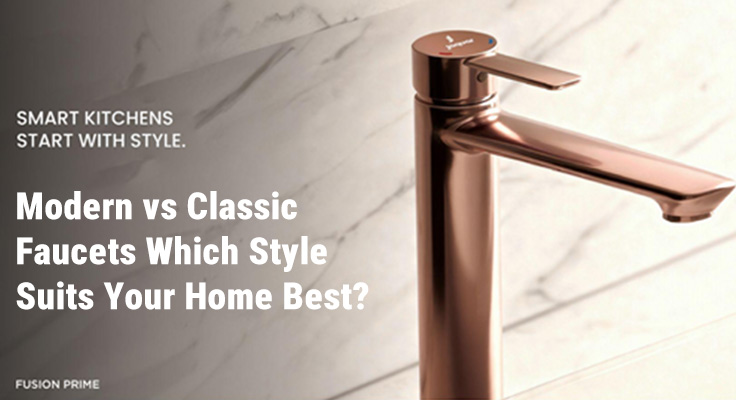
In interior design, even the smallest fixtures can define a space’s style and personality, and few elements do this as gracefully as a faucet. Whether placed above a kitchen sink or a bathroom basin, this functional detail reflects the homeowner’s taste and attention to craftsmanship. With countless designs and finishes available today, faucets go beyond simple utility; they become statements of identity.
Every detail, from the curve of the spout to the texture of the handle, can change how a room feels. While modern faucets harmonise with minimal homes through sleek geometry and innovation, classic faucets recreate an enduring elegance reminiscent of heritage decor. Choosing between them means deciding what narrative one wants their space to tell.
The Classic Charm
Classic faucets evoke a sense of timelessness. They draw their inspiration from vintage design eras where interiors were crafted with ornate details, hand-carved finishes, and warm metallic tones. These faucets serve as a reminder of when design valued emotion and permanence as much as practicality.
Common features of classic faucets include sculpted curves, dual handles, and decorative elements that add character to the space. Finishes such as polished brass, antique gold, and bronze exude richness and warmth, making them ideal for traditional bathrooms, rustic kitchens, and heritage-style homes.
Their appeal goes beyond appearance; the feeling of turning a cross handle or the subtle luster of aged metal creates a personal connection to the past. Built primarily from durable materials like solid brass, classic sink faucets offer robust performance along with longevity. They become more than fixtures; they are heirlooms that add charm and continuity to living spaces.
The Modern Aesthetic
Modern faucets embody a different philosophy, one driven by convenience, innovation, and understated beauty. They are designed around clean lines, minimalist forms, and smooth surfaces that blend effortlessly with contemporary spaces. In modern homes where simplicity and efficiency prevail, these faucets complement the architecture rather than compete with it.
They usually feature single-handle control, touchless technology, or smart sensors that regulate temperature and water flow. Finishes like chrome, matte black, or brushed nickel add a monochromatic sophistication that pairs perfectly with stone counters and neutral palettes.
The hallmark of modern design lies in its balance between aesthetics and utility. These faucets tend to emphasise:
- Streamlined silhouettes and precise engineering.
- Water-saving aerators that support sustainability.
- Ergonomic controls for improved comfort.
- Minimal maintenance for long-term brilliance.
Visually subtle yet technologically strong, modern sink faucets transform daily uses into seamless experiences that align with a modern way of living.
Understanding the Difference
While both modern and classic faucets elevate interiors, their styles resonate with different moods and décor choices. The comparison below highlights their core attributes:
Modern vs Classic Faucets: Quick Comparison
| Feature | Modern Faucets | Classic Faucets |
| Style Mood | Minimal, contemporary | Warm, decorative |
| Best For | Compact modern homes, apartments | Heritage, luxury, rustic décor |
| Technology | Touchless sensors, smart flow | Traditional manual controls |
| Look & Finish | Chrome, matte black, brushed steel | Brass, antique gold, bronze |
| Maintenance | Low upkeep, smooth surface | Slightly higher care |
Modern faucets appeal to function-first homeowners who enjoy order, symmetry, and innovation. Classic faucets suit those who gravitate toward richness, storytelling, and design with soul. The decision depends less on trend and more on what kind of atmosphere one wants to create, contemporary composure or traditional warmth.
Choosing the Right Faucet
Selecting the right faucet requires balancing aesthetic intention with functional need. A few key factors guide this decision:
- Space and Proportion: Large kitchens or expansive bathrooms benefit from statement pieces like high-arched classic kitchen sink taps, while compact setups are better suited to sleek, space-saving modern mixers.
- Material and Colour Harmony: Match finishes with surrounding accents, chrome looks clean with stainless steel or granite, while brass pairs beautifully with warm-toned wood or marble.
- Daily Routine: Choose touchless or single-lever designs for faster use if convenience is a priority. For leisurely spaces such as powder rooms or vintage-inspired villas, traditional sink faucets offer a more expressive, theatrical presence.
- Long-Term Value: Quality and build matter. Premium materials and reliable mechanics ensure smooth water flow and durability over time.
Ultimately, a sink faucet should complement the room’s story. In minimalist interiors, it can serve as a seamless accent. In classic settings, it can become a decorative emblem that ties the theme together.
Conclusion
The choice between modern and classic faucets is a matter of lifestyle as much as style. Modern designs celebrate precision, efficiency, and subtle beauty, while classic faucets embrace emotional connection, texture, and heritage. Both, when chosen thoughtfully, enhance the comfort and character of a home.
Every faucet embodies this harmony between artistry and performance. Modern collections are crafted with advanced engineering and simple elegance, while classic ranges preserve traditional detailing with a focus on durability and grace. Brands like Jaquar, known for combining design innovation with reliable craftsmanship, elevate this experience even further. This balance is exemplified in collections like Jaquar’s Fusion Prime faucets, where both sleek and sculptural designs are engineered to create a refined and seamless user experience.
Also Read : Giving Tree Home: Elevating Bathroom and Kitchen Design with Quality and Style