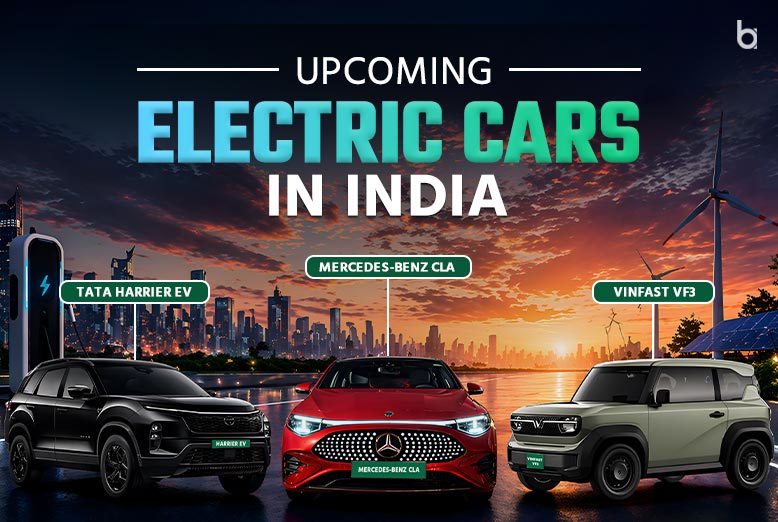
The Indian automotive landscape is on the brink of a dramatic transformation, and for car lovers, the excitement has never been higher. The rise of upcoming electric cars in India is no longer just about efficiency. It now reflects a shift toward performance, design, technology, and innovation. From rugged SUVs to premium sedans and practical family MPVs, the next wave of EVs promises to redefine what driving feels like in India. This shift is no longer gradual. It is fast, competitive, and driven by both global and domestic players pushing boundaries.
This blog explores some of the most anticipated electric vehicles across different segments and price points. It highlights what each model offers in terms of range, features, and overall value. Whether you are a performance enthusiast, a tech-focused buyer, or a practical family user, this guide will help you understand what lies ahead in India’s electric future.
Here are the top 10 upcoming electric cars in India
| Car Model | Brand | Expected Launch | Expected Price |
| Tata Safari EV | Tata Motors | May 2026 | ₹28.0 – 32.0 Lakh |
| Tata Sierra EV | Tata Motors | May 2026 | ₹22.0 – 25.0 Lakh |
| VinFast VF3 | VinFast | May 2026 | ₹12.0 – 15.0 Lakh |
| Toyota Urban Cruiser Ebella | Toyota | June 2026 | ₹18.0 – 22.0 Lakh |
| Mahindra BE.05 | Mahindra | October 2026 | ₹24.0 – 29.0 Lakh |
| Mercedes-Benz CLA Electric | Mercedes-Benz | Late 2026 | ₹60.0 – 70.0 Lakh |
| VinFast VF7 | VinFast | Late 2026 | ₹25.0 – 30.0 Lakh |
| Honda Elevate EV | Honda | Early 2027 | ₹20.0 – 25.0 Lakh |
| Kia Carens EV | Kia Motors | Early 2027 | ₹22.0 – 28.0 Lakh |
| Skoda Elroq | Skoda | Mid 2027 | ₹30.0 – 35.0 Lakh |
( Note: While most models listed are upcoming, the Tata Harrier EV has already been launched and is included here due to its significance in shaping the EV segment.)
1. Tata Safari EV
The Tata Safari EV is expected to be a flagship electric SUV built on Tata’s advanced Acti.ev platform, offering strong performance and long-range capability. It may feature dual-motor AWD, a battery pack around 60–80 kWh, and a driving range exceeding 500 km. The SUV is likely to include a large touchscreen infotainment system, digital instrument cluster, panoramic sunroof, and ADAS safety tech. With premium interiors and spacious three-row seating, it targets family buyers. Among the upcoming electric cars in India, the Safari EV could redefine electric SUVs with power, practicality, and modern design.
2. Tata Sierra EV
Among the most talked-about upcoming electric cars in India, the Tata Sierra EV marks the return of an iconic nameplate in a modern electric avatar. It is expected to feature a 60–75 kWh battery pack with a range of around 450–500 km. Built on a dedicated EV platform, it may offer AWD capability and fast charging support. The SUV is likely to include a futuristic cabin, large infotainment display, panoramic glass roof, and advanced safety systems like ADAS, blending retro appeal with modern innovation.
3. VinFast VF3
The VinFast VF3 is expected to be a compact, budget-friendly electric SUV designed for urban mobility. VinFast, a Vietnam-based automaker, is expanding globally and plans to launch this model in India as part of its entry strategy. It will likely feature a small battery pack around 30–40 kWh, offering a range of approximately 250–300 km. The VF3 may include a minimalist interior, touchscreen infotainment system, and essential connectivity features. Its compact size makes it ideal for city driving, making it a practical entry-level EV for first-time buyers.
4. Toyota Urban Cruiser Ebella
The Toyota Urban Cruiser Ebella is expected to be a mid-size electric SUV developed alongside Maruti’s EV platform. It may feature battery options between 49–61 kWh, delivering a range of around 440–543 km. The SUV is likely to include a modern infotainment system, connected car technology, and advanced safety features. With a focus on efficiency and reliability, it will target urban and family buyers. As upcoming electric cars in India continue to evolve, this model could stand out for its practicality and trusted engineering.
5. Mahindra BE.05
The Mahindra BE.05 is part of Mahindra’s Born Electric lineup, built on the INGLO platform. It is expected to feature battery options around 60–80 kWh with a driving range of up to 500 km. The SUV will likely offer fast charging, rear-wheel or all-wheel drive configurations, and strong performance figures. Inside, it may include a futuristic cockpit, dual screens, and connected features. With its bold design and tech-first approach, the BE.05 highlights how upcoming electric cars in India are shifting toward performance-driven innovation.
6. Mercedes-Benz CLA Electric
The Mercedes-Benz CLA Electric will be a premium electric sedan featuring advanced technology and luxury. It is expected to come with battery options between 58–85.5 kWh and an impressive range of up to 700+ km. Built on an advanced EV platform, it may support ultra-fast charging and high efficiency. The interior will likely feature a high-tech digital cockpit, ambient lighting, and premium materials. Positioned at the higher end of upcoming electric cars in India, it blends luxury, efficiency, and futuristic design.
7. VinFast VF7
The VinFast VF7 is a compact electric SUV offering a balance of performance and features. It comes with a battery pack of around 70–75 kWh, delivering a range of up to 450 km. The SUV offers both single-motor FWD and dual-motor AWD variants, producing up to 354 PS. Key features include a 15-inch touchscreen, heads-up display, panoramic sunroof, and Level 2 ADAS. Upcoming electric cars in India are becoming increasingly tech-focused, and the VF7 reflects this trend with its strong feature list and modern design.
8. Honda Elevate EV
The Honda Elevate EV is expected to be an electric version of the popular Elevate SUV, designed for practical urban use. It may feature a battery pack around 40–60 kWh, offering a range of approximately 400–500 km. The SUV is likely to include a clean interior layout, touchscreen infotainment, and Honda’s reliability-focused engineering. Safety features may include multiple airbags, stability control, and driver assistance systems, making it a dependable option for buyers prioritizing efficiency and everyday usability.
9. Kia Carens EV
The Kia Carens EV is expected to be a practical electric MPV designed for families. It may feature a battery pack around 50–60 kWh with a range close to 400–450 km. The vehicle will likely offer spacious three-row seating, a large touchscreen infotainment system, and connected car technology. Comfort features could include rear AC vents, wireless charging, and flexible seating layouts. With growing demand for upcoming electric cars in India, the Carens EV is likely to attract buyers seeking space, comfort, and practicality.
10. Skoda Elroq
The Skoda Elroq is a compact electric SUV based on the Volkswagen MEB platform, offering strong performance and efficiency. It comes with battery options between 55–82 kWh, delivering a range of up to 560 km. The SUV supports both RWD and AWD configurations with power outputs up to 220 kW. It features a spacious interior, large touchscreen infotainment system, and sustainable materials. As one of the premium upcoming electric cars in India, the Elroq stands out for its long range, practicality, and refined European engineering.
End Note
The upcoming EV lineup reflects more than just new product launches. It shows a clear shift in how automakers are preparing for the future. Brands are no longer experimenting. They are committing to electrification with dedicated platforms, advanced batteries, and feature-rich offerings. At the same time, the growth of upcoming electric cars in India highlights how the market is evolving to serve both premium and mass buyers.
The focus on range, technology, and practicality will shape adoption. As competition increases, buyers will benefit from better products, smarter pricing, and faster innovation, ultimately accelerating India’s transition toward a more mature electric mobility ecosystem.
Also Read: Best Car Brands in India (2026): The Ultimate Buyer’s Guide
Tejas Tahmankar