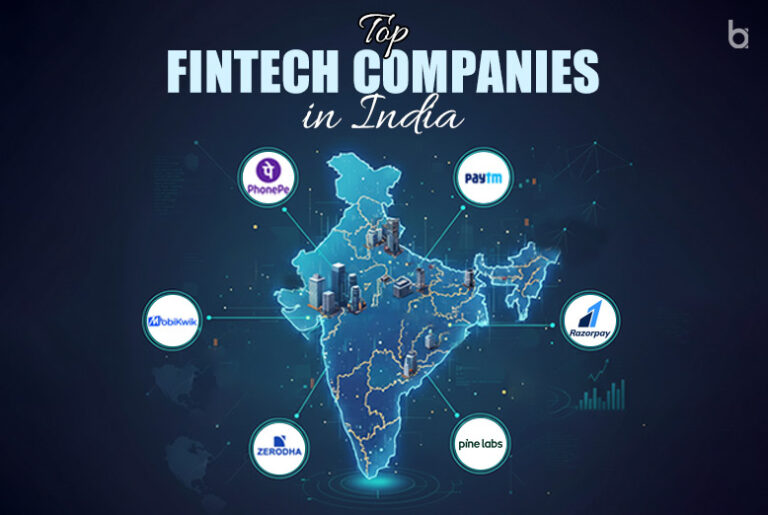
The rise of the top fintech companies in India shows how deeply technology now shapes everyday finance. Digital payments, online investing, and instant credit no longer feel optional. They function as core financial infrastructure.
Many readers still ask a basic question. What is a fintech company? A fintech company uses financial technology such as software, automation, and data systems to deliver financial services faster and more securely. In 2026, this definition also includes AI-led decision tools and compliance-ready platforms.
Over the last two years, fintech India shifted from rapid expansion to disciplined growth. Regulatory changes after 2025 pushed companies to focus on transparency, licensing, and sustainable profits. As a result, the fintech industry now rewards trust and scale over speed.
India stands as the third largest fintech ecosystem globally, with long-term projections moving toward a one trillion dollar valuation by 2030. To understand who leads this transition, we must examine the companies shaping it.
State of the Fintech Industry in India 2026
The fintech industry in India now operates on a mature digital foundation. Systems like UPI, Aadhaar, and India Stack created a scalable financial backbone. These platforms allow fintech companies in India to serve millions securely and at low cost.
One of the strongest growth drivers is the Account Aggregator framework. This system allows users to share financial data securely with consent. As a result, lenders, insurers, and wealth platforms assess risk faster and more accurately. ONDC also supports open digital commerce by enabling small businesses to participate in digital trade.
Regulation reshaped the industry significantly. The RBI’s Digital Lending Directions forced fintech startups in India to improve transparency. These rules clarified fee disclosures, data storage norms, and recovery practices. Consequently, weak and non-compliant players exited the market.
The Union Budget 2026 further strengthened digital infrastructure. Government spending increased on cybersecurity, payment resilience, and compliance technology. This shift proved that regulation no longer blocks innovation. Instead, it filters quality and trust across fintech companies.
While innovation spreads nationwide, certain cities play a dominant role in shaping the ecosystem.
Geographic Powerhouses: Mumbai and Bengaluru
Mumbai continues to anchor fintech companies in Mumbai that focus on B2B payments, lending, and enterprise finance. The city hosts India’s la rgest banks, financial institutions, and the Reserve Bank of India. This proximity enables faster regulatory coordination and compliance testing.
Many payment processors and lending platforms prefer Mumbai due to easier access to regulatory sandboxes. These advantages help companies build stable, scalable products that align with RBI guidelines. As a result, Mumbai remains India’s financial command center.
Bengaluru complements Mumbai with deep technical talent. Engineers, AI specialists, and product designers form the core of fintech innovation here. Many consumer-focused platforms build and test products in Bengaluru before scaling nationally.
Together, these cities define the future of financial technology in India. However, geography alone does not determine leadership. True success depends on scale, trust, and long-term resilience.
Top 10 Fintech Companies in India 2026
1. PhonePe
With over 65.76 crore registered users and 23.78 crore monthly active users as of September 2025, PhonePe operates at unmatched scale. Its 4.72 crore merchant base explains its dominance in daily UPI flows. Such volume forces operational discipline. PhonePe prioritises uptime and settlement accuracy over rapid experimentation. This focus explains why it remains one of the most trusted top fintech companies in India.
2. Paytm
Paytm’s Q3 FY26 net profit of ₹225 crore on ₹2,194 crore revenue signals structural recovery rather than temporary relief. Merchant lending now drives predictable cash flow. AI-led advisory tools support this shift by improving credit quality. These numbers show Paytm aligning growth with compliance. This balance strengthens its position within fintech India after regulatory tightening.
3. MobiKwik
Serving nearly 172 million users and 4.5 million merchants, MobiKwik holds strong distribution power. Its scale supports the wallet-to-credit transition without overextending risk. Credit cards and pay-later products gain traction due to this base. These figures explain why MobiKwik remains relevant among fintech startups in India despite intense competition.
4. Razorpay
Razorpay’s FY25 revenue of ₹3,783 crore with 65 percent year-on-year growth reflects deep enterprise adoption. The ₹1,209 crore loss shows continued reinvestment in automation and compliance systems. AI-driven payouts and reconciliation tools justify this spend. These metrics position Razorpay as core infrastructure within the fintech industry.
5. Pine Labs
Pine Labs reported Q4 2025 revenue of ₹744 crore and profit of ₹42.39 crore, confirming operational maturity. Its strength lies in merchant-led adoption rather than consumer scale. This profitability supports expansion in BNPL and omnichannel payments. Such numbers validate Pine Labs as a stable financial technology provider.
6. Zerodha
Zerodha serves over 12 million active investors, making it one of India’s largest brokerage platforms. This scale reflects trust built through low-cost and transparent pricing. Educational initiatives reduced excessive trading risks. These factors explain why Zerodha maintains leadership without aggressive marketing among fintech companies in India.
7. Groww
With nearly 40 million users and a valuation of about US$3.5 billion, Groww represents new-age investing behaviour. Mobile-first design helped attract younger users at scale. Expansion into IPOs and wealth products signals platform maturity. These numbers justify Groww’s inclusion in the top 10 fintech companies in India.
8. Lendingkart
Lendingkart has raised around US$282 million and disbursed loans worth nearly ₹14,000 crore. These figures highlight its role in MSME financing. AI underwriting allows faster approvals without excessive defaults. Lendingkart’s data-led model supports sustainable credit expansion within fintech India.
9. Policybazaar
Policybazaar’s FY25 profit growth of around 448 percent and premium growth of nearly 48 percent reflect operational turnaround. Digital claims support and small-ticket policies drove this rebound. These metrics demonstrate resilience in a heavily regulated sector. Policybazaar stands out among fintech companies for profitability discipline.
10. CRED
CRED’s valuation of about US$6.4 billion reflects investor confidence in its high-trust user base. While it avoids mass-market scale, its premium audience enables cross-selling through CRED Money. This focused strategy explains its sustained relevance despite slower user growth. It remains a distinctive player in financial technology.
How to Choose the Right Fintech Platform
Choosing among fintech companies in India requires a structured approach. Security should come first. Users should check RBI registration, NBFC or PPI licensing, ISO certifications, and data encryption standards.
User experience also matters. Fast UPI transactions reduce friction. Responsive customer support builds trust over time.
Finally, users should match platforms to their needs. Businesses require reliability and compliance. Consumers value simplicity and transparency.
Emerging Trends: AI, CBDC, and Beyond
Artificial intelligence now shapes financial decision-making. Platforms deploy AI agents that assist with budgeting, investing, and credit analysis.
The e-Rupee also gained momentum. Fintech firms test CBDC integrations for settlements and institutional payments. This shift improves transparency and cost efficiency.
As 2027 approaches, fintech platforms increasingly resemble financial utilities rather than optional tools.
Navigating the Future with Confidence
The top fintech companies in India in 2026 reflect maturity rather than experimentation. We see a clear shift where scale now follows discipline, not speed. Innovation survives only when it aligns with regulation and long-term trust.
Across payments, lending, wealth, and insurance, each leader plays a defined role in India’s financial system. Their results show how financial technology reshaped money habits, not just transaction volumes.
From my analysis, the most resilient platforms share one constant. They respect regulation while quietly improving daily financial decisions. Before any high-value transaction, users should always verify RBI registration. This simple step protects both capital and confidence.