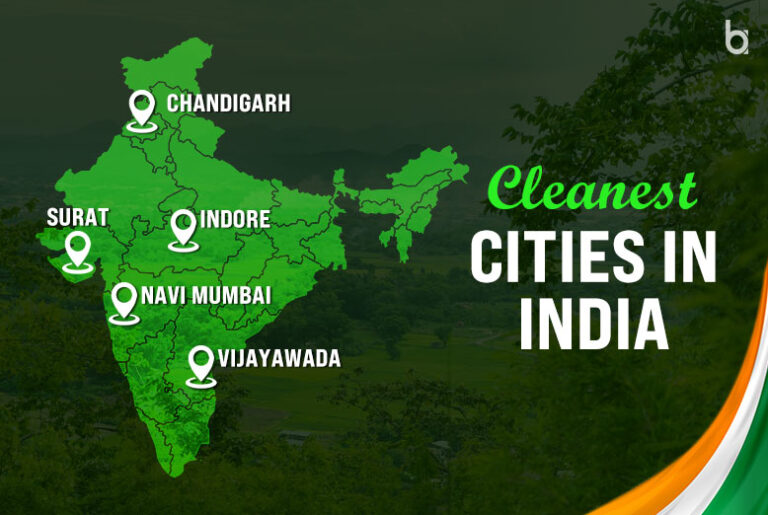
Have you ever wondered why some cities in India stay far cleaner than others despite rapid urban growth? The answer often comes from strong planning, smart waste systems, and responsible citizens.
This article explores the cleanest city in India rankings and explains why places like these perform so well. You will learn the systems, policies, and community habits that drive their success.
By the end, you will clearly understand how these cities maintain cleaner streets, healthier neighborhoods, and sustainable urban living standards across the country today and what other cities can learn from their practical cleanliness strategies today.
Here are the top 10 cleanest city in India 2026
| City | State |
| Indore | Madhya Pradesh |
| Surat | Gujrat |
| Navi Mumbai | Maharashtra |
| Vijayawada | Andhra Pradesh |
| Chandigarh | Punjab |
| Noida | Uttar Pradesh |
| Ujjain | Madhya Pradesh |
| Gandhinagar | Gujrat |
| Guntur | Andhra Pradesh |
| Mysore | Karnataka |
Indore
Indore is located in the state of Madhya Pradesh in central India. Indore is widely known for its outstanding sanitation systems and strong civic discipline. When people ask which is the cleanest city in India, Indore often leads the discussion due to its consistent performance in national cleanliness surveys. The city follows strict waste segregation at the household level and ensures efficient door-to-door garbage collection. Authorities process most collected waste through composting and recycling plants, reducing landfill usage significantly. Continuous public awareness campaigns also encourage residents to maintain hygiene in neighborhoods, markets, and public spaces. These combined efforts keep Indore’s urban environment clean and well-managed.
- Indore is known as the “Cleanest City of India” and is also famous for its vibrant street food culture.
Surat
Surat has built a strong reputation for sanitation through modern infrastructure and disciplined municipal systems. The city uses GPS-enabled garbage trucks and advanced waste processing facilities to manage daily waste efficiently. Authorities also maintain strict hygiene standards in markets, roads, and residential zones. Regular street sweeping and drainage maintenance prevent garbage accumulation. Citizen participation plays a major role in keeping public areas clean. Because of these structured efforts, Surat consistently appears among the cleanest city in India rankings in national sanitation surveys.
- Surat is famously known as the “Diamond City” and “Silk City” of India due to its massive diamond cutting and textile industries.
Navi Mumbai
Navi Mumbai benefits from its planned urban design and organized civic infrastructure. As one of the developing smart cities in India, it integrates digital monitoring and modern waste management practices into municipal operations. The city encourages households to segregate wet and dry waste while ensuring daily garbage collection across residential areas. Authorities also operate recycling and composting plants to process collected waste responsibly. Well-planned roads, green spaces, and efficient drainage further contribute to maintaining high sanitation standards across the city.
- Mumbai is known as the “City of Dreams” and serves as the financial capital of India.
Vijayawada
Vijayawada has improved its sanitation performance through disciplined municipal management and citizen awareness. The city operates a well-organized door-to-door garbage collection system covering almost all neighborhoods. Authorities promote waste segregation and recycling through community programs and educational campaigns. Public parks, markets, and transportation areas receive regular cleaning to maintain hygiene. These consistent efforts have helped Vijayawada gain recognition as one of India’s cleanest cities in recent national surveys.
- Vijayawada is known as the “Business Capital of Andhra Pradesh” and is famous for the Kanaka Durga Temple and its thriving trade activities.
Chandigarh
Chandigarh maintains strong cleanliness standards because of its well-planned urban layout. Wide roads, organized sectors, and carefully designed public spaces make sanitation management easier for municipal authorities. The city runs structured waste collection programs and encourages residents to separate recyclable materials. Public participation in cleanliness drives also strengthens civic responsibility. Chandigarh’s planning and disciplined municipal services help it maintain a strong position in the 10 cleanest city in India rankings.
- Chandigarh is known as “The City Beautiful” and is famous for its modern urban planning and architecture.
Noida
Noida has rapidly improved its urban sanitation through technological upgrades and municipal reforms. Being one of the expanding smart cities in India, the city uses digital systems to track garbage collection vehicles and sanitation services. Authorities operate modern waste treatment facilities that reduce landfill dependency. Regular road cleaning, maintenance of public parks, and awareness campaigns encourage citizens to adopt responsible waste disposal practices, improving overall hygiene standards across the city.
- Noida is known as a major IT and industrial hub in North India and is famous for its rapidly growing technology and business sectors.
Ujjain
Ujjain focuses heavily on sanitation due to its cultural and religious importance. Thousands of visitors travel to the city each year, especially during festivals and pilgrimages. To manage this flow, authorities conduct frequent street cleaning and maintain efficient garbage collection services around temples, ghats, and markets. Community awareness campaigns encourage residents and visitors to follow proper waste disposal practices. These measures help the city maintain strong sanitation standards and reinforce its reputation among India’s cleanest cities.
- Ujjain is known as one of the holiest cities in India and is famous for the Mahakaleshwar Jyotirlinga temple and the Kumbh Mela festival. 🙏
Gandhinagar
Gandhinagar reflects the benefits of organized urban planning and environmental management. The city promotes waste segregation at the household level and supports recycling through dedicated processing facilities. Clean roads, well-maintained gardens, and green public spaces contribute to a healthy urban environment. Municipal authorities also run awareness campaigns that encourage citizens to maintain hygiene in residential and commercial areas. Because of these initiatives, Gandhinagar often appears in discussions about the top 10 cleanest city in India.
- Gandhinagar is known as the capital city of Gujarat and is famous for the Akshardham Temple and its well-planned green city layout
Guntur
Guntur has strengthened its sanitation infrastructure through improved waste management strategies. The municipal corporation focuses on door-to-door garbage collection and encourages residents to separate wet and dry waste. The city also operates waste processing plants that convert organic waste into compost. Regular monitoring of sanitation services and community awareness programs help maintain cleaner streets and markets. These improvements have helped Guntur gain recognition in lists highlighting India’s cleanest cities.
- Guntur is known as the “Chilli City of India” and is famous for its large production and export of red chillies.
Mysore
Mysore earned early recognition in national cleanliness surveys due to its strong municipal systems and citizen cooperation. The city maintains efficient garbage collection services and encourages waste segregation at the household level. Tourist attractions, heritage areas, and public parks receive regular maintenance to maintain hygiene. Civic awareness programs also promote recycling and composting among residents. Because of its consistent sanitation practices, Mysuru often serves as an example for cities aiming to improve urban cleanliness standards.
- Mysore is known as the “City of Palaces” and is famous for its royal heritage and the grand Dasara festival.
Conclusion
Clean cities do not appear by chance. They result from consistent policy planning, responsible citizens, and strong municipal systems. The lessons from these urban success stories show that disciplined waste segregation, efficient collection, and public awareness can transform any growing city.
The journey highlighted through the cleanest city in India examples proves that sustainable sanitation is achievable when governments, communities, and technology work together.
Ultimately, cleaner streets mean healthier lives, stronger tourism, and better urban futures. If more cities adopt these proven practices, India can steadily move toward cleaner, safer, and more livable urban environments for future generations.