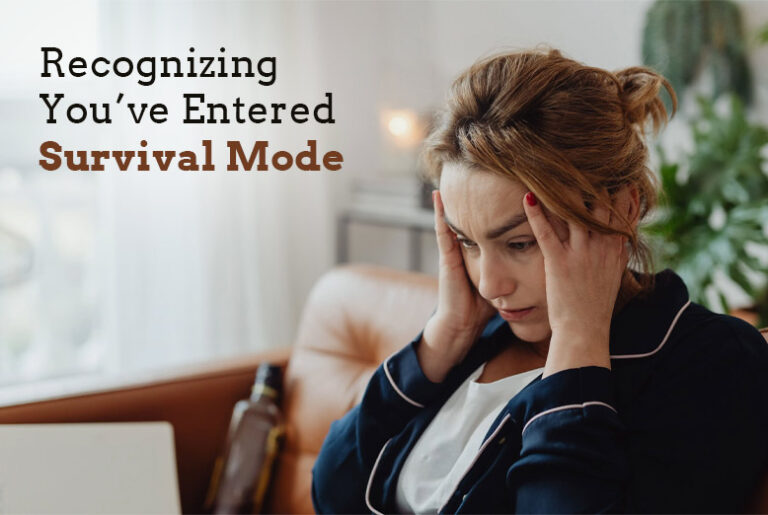
Survival mode does not always look dramatic from the outside. Sometimes it looks like staying productive, answering messages, paying bills, and getting through the day. But underneath all of that, your nervous system may be stuck in a constant state of urgency. You are not really living with steadiness. You are managing one stress point after another, hoping relief is right around the corner.
This is one reason people often miss it at first. They assume survival mode only counts when everything is clearly falling apart. In reality, it can show up while you are still keeping things moving. Someone researching Missouri debt relief may realize the problem is not only financial pressure itself, but also the fact that their mind and body have been operating like every day is an emergency.
That chronic sense of threat matters because it changes how you think, spend, react, and recover. Guidance from the National Institute of Mental Health on caring for your mental health and practical planning resources from Consumer.gov both point toward the same broader truth: it is much harder to make thoughtful decisions when stress has become your normal setting.
Survival mode narrows your world
One of the clearest signs of survival mode is that your focus gets very small. You stop thinking in broader terms and start thinking only about the next problem, the next bill, the next difficult conversation, or the next emotional hit. Long term goals begin to feel irrelevant because the present is so loud.
This narrowing makes sense. Your brain is trying to protect you. The trouble is that what helps in a true emergency can work against you when the state becomes chronic. When everything feels urgent, it becomes harder to prioritize. You may avoid planning because you are too busy reacting. You may spend for relief, withdraw from people, or postpone important tasks because your system is trying to conserve energy.
That does not mean you are weak. It means your body is trying to survive in a way that may no longer be helping you thrive.
The signs are often emotional and practical
Survival mode has emotional signs, but it also has very practical ones. You may feel constantly tense, irritable, exhausted, or emotionally flat. Small problems may feel huge. You may swing between overfunctioning and shutting down. Rest may not feel restful because your mind never fully powers down.
On the practical side, you may procrastinate on things that matter, make rushed choices, avoid looking at numbers, forget basic tasks, or feel like your systems keep slipping out of your hands. The issue is not always laziness or lack of discipline. It is often overload.
This is why survival mode can be so confusing. You may blame yourself for the symptoms while missing the pattern underneath them.
Stress can become familiar enough to feel normal
A major reason survival mode goes unnoticed is that people adapt to it. The tension becomes so familiar that it stops feeling unusual. You may assume this is just adulthood, just your personality, or just what your life requires right now. But familiar does not always mean healthy.
If you have been operating this way for a long time, calm may actually feel uncomfortable at first. Quiet can feel suspicious. Predictability can feel strange. This is part of why shifting out of survival mode takes more than one good day. It requires retraining your system to trust steadiness again.
Recognizing that pattern is not overreacting. It is the first step in changing it.
Survival mode affects money more than people realize
Financial decisions made from survival mode tend to be short range. You may spend to soothe stress, delay important choices because you feel overwhelmed, or treat every dollar like either a rescue tool or a threat. Even when income is coming in, the emotional environment around money may feel chaotic.
This happens because survival mode prioritizes relief over reflection. It is hard to think strategically when your internal alarm system is always on. That is one reason regular routines, simple systems, and visible priorities matter so much. They create structure when your nervous system is too overloaded to generate calm on demand.
Recovery starts with recognition, not perfection
Many people make the mistake of thinking they need to solve everything immediately once they realize they are in survival mode. That can become just another form of pressure. A better starting point is recognition. Name what is happening. Notice your patterns. Pay attention to where you keep reacting instead of choosing.
From there, recovery usually begins in small ways. Shorter to do lists. More predictable routines. Easier financial systems. More honest check ins. More rest that is actually protected. Fewer demands to perform wellness perfectly. You are not trying to become a different person overnight. You are trying to reduce the chronic sense that every day is a threat.
You are allowed to want more than survival
Recognizing you have entered survival mode can feel uncomfortable, but it can also be a relief. It gives context to patterns that may have felt like personal failure. It explains why even simple decisions have felt heavy. It shows that the issue may not be your character, but the state your system has been stuck in.
That awareness matters because it makes recovery possible. You do not have to stay in a life where every decision is driven by urgency. You do not have to keep proving that you can function under constant strain.
Survival mode may have helped you get through something difficult. But getting through is not the same as living well. Once you can name the pattern, you can begin building something steadier on the other side of it.
Also Read: Ways to Stay Healthy: A Comprehensive Guide to Enhancing Your Well-being