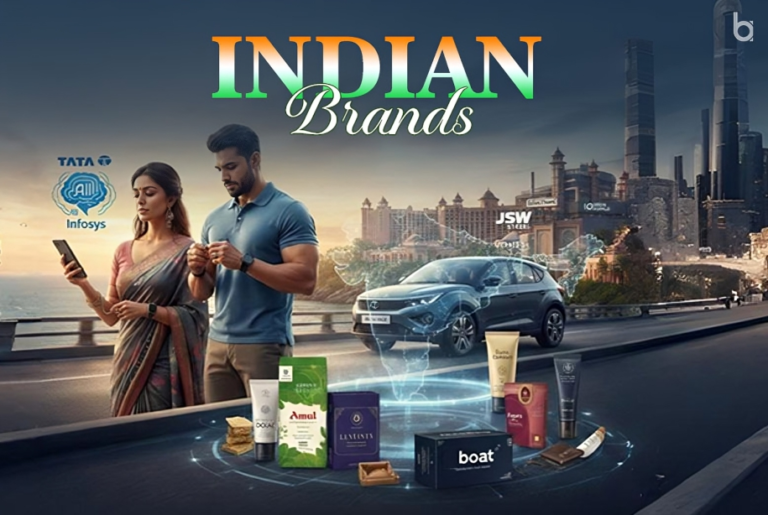
Indian brands no longer operate quietly behind global corporations. Over the last decade, India moved from execution to ownership. Earlier, multinational companies used India mainly for support and efficiency. Today, Indian companies design, manufacture, and sell globally under their own names. This transformation marks a structural change in India’s economic identity. It also reflects growing confidence in domestic brand capability.
The 2026 economic landscape confirms this shift. Domestic enterprises now drive a major share of national economic growth. Government and industry data show domestic brands contribute more than sixty percent of GDP expansion. A decade earlier, this contribution remained far lower. As a result, India reduced dependency on imported brands. Instead, it strengthened internal value creation.
The Make in India initiative played a decisive role in this transition. It expanded manufacturing capacity across electronics, automobiles, and consumer goods. More importantly, it improved supply chain control and production quality. Indian brands gained pricing power and operational resilience. Therefore, manufacturing became a strategic asset rather than a cost center.
Consumer psychology also evolved during this period. Indian Gen-Z and Millennials now actively prefer homegrown labels. They associate Indian brand names with authenticity and accountability. Studies show over 70% of young buyers choose Indian products. Cultural relevance and ethical sourcing influence these choices strongly. This shift supports long-term brand loyalty.
While economic figures reflect national success, everyday life shows real transformation. Indian products now dominate wardrobes, kitchens, smartphones, and vehicles. These choices feel natural, not forced. They signal confidence instead of compromise. Therefore, the change appears durable and deeply rooted.
While the economic figures represent a national triumph, the true impact feels personal and visible. It appears most clearly in fashion and lifestyle decisions. Indian heritage now travels globally with confidence. For this reason, the journey begins with fashion, lifestyle, and beauty brands.
Here’s a quick list of the Indian brands we are going to watch as we progress:
| Brand Name | Primary Segment | Core Focus Area |
| Lava International | Mobile Electronics | Value-focused smartphones and local manufacturing |
| Micromax | Mobile Electronics | Affordable 5G smartphones and consumer devices |
| iBall | Computing Hardware | Entry-level laptops and peripherals |
| Intex Technologies | Consumer Electronics | Budget electronics and institutional devices |
| Onida | Television & Appliances | Mass-market televisions and home electronics |
| Infosys | IT Services & AI | Enterprise software, consulting, and AI solutions |
| Tata Consultancy Services (TCS) | IT Services & AI | Global IT systems, AI, and digital transformation |
| Wipro | IT Services & AI | Technology services and enterprise AI platforms |
| HCLTech | IT Services & AI | Infrastructure, cloud, and AI-led services |
| Fractal Analytics | Artificial Intelligence | Enterprise AI and data science solutions |
| Quantiphi | Artificial Intelligence | AI-driven digital engineering and analytics |
| boAt | Wearable Technology | Consumer audio and smartwatches |
| Noise | Wearable Technology | Affordable smartwatches and fitness wearables |
| Fire-Boltt | Wearable Technology | Budget smartwatches and connected devices |
| Titan | Wearables & Watches | Premium smartwatches and lifestyle wearables |
| Fastrack | Wearables & Watches | Youth-focused smartwatches and accessories |
| Bombay Perfumery | Beauty & Fragrance | Contemporary Indian perfume house blending global notes with local narratives |
| Forest Essentials | Beauty & Wellness | Ayurvedic luxury skincare rooted in classical formulations |
| Kama Ayurveda | Beauty & Wellness | Clinically positioned Ayurveda-based personal care brand |
| Gulab Singh Johrimal | Fragrance | India’s oldest perfume house specializing in attars since 1816 |
| The Perfume Library | Fragrance | Narrative-driven Indian perfume brand inspired by travel and memory |
| Tata Motors | Automobile | Passenger and commercial vehicle manufacturer with global EV presence |
| Mahindra & Mahindra | Automobile | SUV-focused automotive and industrial conglomerate |
| JSW Steel | Heavy Industry | One of India’s largest steel producers supporting infrastructure growth |
| UltraTech Cement | Construction Materials | India’s largest cement manufacturer by capacity |
| MRF | Tyres | Market leader in automotive tyres for consumer and commercial vehicles |
| CEAT | Tyres | Tyre manufacturer with strong domestic and export presence |
| Apollo Tyres | Tyres | Indian multinational tyre company with international operations |
| HDFC Bank | Banking | India’s largest private sector bank by market capitalization |
| ICICI Bank | Banking | Major private bank with strong retail and corporate lending |
| State Bank of India | Banking | India’s largest public sector bank with global operations |
| Reliance Jio | Telecom | Telecom operator that reshaped India’s data pricing and access |
| Bharti Airtel | Telecom | Global telecom company with operations across Asia and Africa |
| Taj Hotels | Hospitality | Flagship luxury hotel brand of the Tata Group |
| The Oberoi Group | Hospitality | High-end hotel group known for service excellence |
| ITC Limited | FMCG | Diversified conglomerate spanning FMCG, hotels, and agribusiness |
| Hindustan Unilever | FMCG | India’s largest FMCG company by product reach |
| Amul | Dairy & FMCG | Cooperative brand that transformed India’s dairy economy |
| Godrej Consumer Products | FMCG | Household and personal care brand with global footprint |
| Cadbury India | Confectionery | Market leader in chocolates under Mondelez India |
| Hershey India | Confectionery | Premium chocolate brand operating in the Indian market |
| Campco | Confectionery | Farmer-owned cooperative producing cocoa-based products |
Fashion, Identity, and the Commercialization of Indian Aesthetics

Indian brands in eyewear now represent some of the most trusted top brands in India. Indian brand names such as Lenskart, Titan Eyeplus, and Fastrack reshaped how consumers buy eyewear. These famous eyewear brands in India combine affordability, design, and optical accuracy. Their digital first models improved access across urban and semi urban markets. As a result, Indian products in eyewear gained mass adoption and trust.
Beauty and personal care reflect an even stronger domestic preference. Indian brand names like Lakmé, Mamaearth, Sugar Cosmetics, Biotique, and Lotus Herbals dominate the Indian brands list today. These famous Indian brands focus on skin compatibility and climate relevance. Their formulations suit Indian conditions better than imported alternatives. Therefore, made in India products gained higher repeat purchase rates.
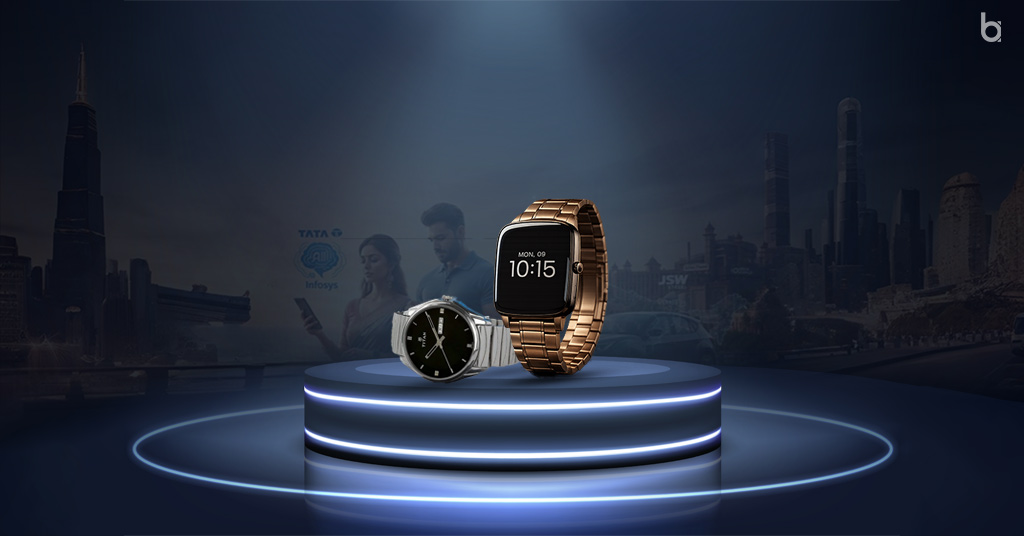
Watch brands in India also make significant contributions to timepieces and wearable accessories. Titan remains the most recognized Indian watch brand with a wide portfolio from affordable everyday models to premium designs, supported by Tata Group’s retail strength. Fastrack and Sonata represent youth-focused and value-driven watch brands under Titan’s portfolio, offering trendy and reliable options. Indian luxury craftsmanship also appears through Jaipur Watch Company, which incorporates cultural art into bespoke timepieces, and Bangalore Watch Company, known for Indian-inspired luxury models. Legacy brands like HMT Watches highlight India’s long history in mechanical watches, while consumer electronics labels such as boAt have expanded into smartwatches, blending wearable tech with lifestyle appeal.
Indian perfume brands combine heritage fragrance knowledge with modern presentation. Indian brand names such as Bombay Perfumery, Forest Essentials, Kama Ayurveda, Gulab Singh Johrimal, and The Perfume Library represent both traditional and contemporary approaches. These famous Indian brands use natural ingredients and culturally rooted scent profiles. Their appeal extends beyond domestic buyers to international niche markets. Consequently, made in India products in perfumery gained premium positioning.
Technology as India’s Instrument of Global Integration
Indian brands in technology reflect a rare convergence of hardware and software capability. For many years, India led global services but lacked ownership in consumer electronics. That gap narrowed sharply by 2026. Domestic firms now design devices, platforms, and digital infrastructure. This shift elevated India among the top countries for technology creation.
Mobile electronics show the clearest resurgence. Indian mobile company names such as Lava International and Micromax regained relevance in the 5G segment. These brands focused on value pricing and local assembly. Their strategies aligned closely with production incentive programs. As a result, Indian products recovered shelf space from foreign competitors.
Laptop and television segments also show steady domestic positioning. Indian brands list names like iBall, Intex Technologies, and Onida in affordable categories, yet they are counted in the list of the best television brands in India. These companies target price sensitive households and institutional buyers. Their localized manufacturing reduces import dependence. Therefore, made in India electronics scale without premium pricing pressure.
Software and IT services remain India’s strongest global advantage. Famous Indian brands such as Infosys, Tata Consultancy Services, Wipro, and HCLTech dominate international enterprise contracts. They manage critical systems across industries. Their long term client relationships rely on execution consistency and trust. This credibility strengthens India’s global technology standing.
Artificial intelligence companies in India add another growth layer. They signal a shift from service delivery to deep technology creation. Indian brands such as TCS, Infosys, Wipro, HCLTech, Fractal Analytics, and Quantiphi lead enterprise AI adoption. Their solutions support banking, healthcare, retail, and manufacturing worldwide.
Smartwatch brands in India further reflect applied hardware innovation. Indian brands like boAt, Noise, Fire-Boltt, Titan, and Fastrack lead domestic shipments. They prioritize battery life, fitness tracking, and affordability. Their products align better with Indian lifestyle conditions than many imports.
Automobiles and Industry as Foundations of Economic Sovereignty
Indian automobiles reflect engineering maturity and safety leadership. Over time, domestic manufacturers moved from utility focus to design and performance. This evolution placed Indian companies among the top brands in India for mobility. Buyers now trust Indian brand names for durability and resale value. As a result, Indian products gained preference across price segments.
Passenger vehicles show the clearest transformation. Tata Motors built a strong safety narrative through consistent five star ratings. This strategy improved consumer confidence and brand equity. Meanwhile, Mahindra & Mahindra strengthened its SUV leadership through rugged platforms. These famous Indian brands align engineering with Indian road conditions. Consequently, made in India products dominate domestic sales.
Electric mobility accelerated this advantage. Tata Motors expanded EV adoption through accessible pricing and charging partnerships. Mahindra invested heavily in electric SUVs and future platforms. These moves reduce oil dependence and emissions. Therefore, Indian brands now shape sustainable transport outcomes.
The industrial backbone supports this mobility story. JSW Steel supplies critical materials for automotive and infrastructure projects. UltraTech Cement anchors national construction demand. These firms operate at global scale with local efficiency. Their balance sheets reflect long term capital discipline.
Tyres and components add depth to the ecosystem. Indian brand names such as MRF, CEAT, and Apollo Tyres supply domestic and export markets. These are the best Indian tyre brands that withstand diverse climates and terrains. Export volumes continue to rise steadily.
Banking and Finance as Engines of Institutional Trust
Over the last decade, India transformed everyday finance through technology. This transformation positioned Indian institutions among the top brands in India for financial innovation. Consumers now trust Indian brand names for savings, credit, and payments. As a result, Indian products in finance gained global attention.
The UPI ecosystem changed transaction behavior permanently. Top banks in India enabled instant, low cost digital payments nationwide. This system handles billions of monthly transactions reliably. Its success demonstrates operational excellence at population scale. Therefore, Indian brands now set benchmarks for digital public infrastructure.
Private sector banks anchor trust and profitability. HDFC Bank leads through risk discipline and retail depth. ICICI Bank combines digital reach with corporate lending strength. These Indian brand names maintain asset quality through cycles. Consequently, investors and depositors reward them with long term confidence.
Public sector scale adds systemic resilience. State Bank of India operates one of the world’s largest banking networks. It supports households, small businesses, and national programs simultaneously. This reach makes SBI central to financial inclusion. Therefore, famous Indian brands in banking balance profit with public purpose.
Non banking finance companies also expand credit access. Indian brands in housing finance, consumer lending, and MSME loans fill market gaps efficiently. These firms use data driven underwriting and partnerships. Their growth supports consumption and entrepreneurship. As a result, made in India products and services receive timely financing.
Telecom, Infrastructure, and Hospitality Brands of Modern India

Indian brands in telecom reshaped global perceptions of connectivity economics. Over the last decade, India delivered affordable data at an unmatched scale. This achievement placed Indian companies among the top brands in India for digital access. Consumers trust Indian brand names for reliability and reach. As a result, telecom companies in India have become global case studies.
The data revolution began with Reliance Jio. Jio reduced data costs dramatically while expanding nationwide coverage. This strategy accelerated smartphone adoption and digital services usage. Meanwhile, Bharti Airtel strengthened network quality and enterprise solutions. These famous Indian brands balance scale with service resilience. Consequently, Indian brands list leaders now influence global telecom pricing models.
Infrastructure development supports this digital expansion. Indian brands in roads, power, and urban development enable economic flow. These firms operate through public private partnerships and long term concessions. Their projects improve logistics efficiency and regional connectivity. Therefore, made in India products move faster across markets.
Hospitality represents a contrasting yet complementary story. Indian brand names in luxury hotels convert service culture into global prestige. And obviously when we think of the best hotels in India, we quickly think of Taj Hotels, which consistently ranks among the world’s strongest hotel brands. Its properties blend heritage, service excellence, and operational discipline. Similarly, The Oberoi Group maintains international standards across destinations. These famous Indian brands attract global travelers seeking experiential luxury.
Indian brands in USA and international markets increasingly rely on hospitality diplomacy. Luxury hotels shape perceptions of national quality and trust. Their service consistency reinforces confidence in Indian brands beyond tourism. Therefore, hospitality functions as a soft power asset within the Indian brands list.
Everyday Consumption and the Power of Household Brands
Indian FMCG defines everyday trust and household loyalty. This sector touches consumers daily through food, hygiene, and essentials. As a result, FMCG companies in India now shape how people perceive the top brands in India. Indian brand names here rely on consistency rather than novelty. Therefore, Indian products build deep generational recall.
Large diversified players anchor this ecosystem. ITC Limited built powerful brands across food, cigarettes, and personal care. Its distribution reach covers urban and rural markets equally. Hindustan Unilever dominates staples through scale and product adaptation. These famous Indian brands defend market share through supply chain efficiency. Consequently, made in India products remain affordable and available.
Cooperative models also show exceptional strength. Amul transformed milk into a national brand asset. It empowers farmers while maintaining competitive pricing. Amul products reach global markets without losing local identity. This structure strengthens trust across income groups. Therefore, Amul remains central to the Indian brands list.
Personal care and home care show rising competition. Godrej Consumer Products expanded strongly across hair care and hygiene. It balances innovation with value pricing. Indian brands in this space focus on health and safety trends. This focus reflects changing consumer priorities after 2020.
Food and snacks reflect another shift. Health first products now grow faster than indulgence categories. Indian brands reformulate snacks with lower sugar and higher protein. This approach aligns with wellness awareness. As a result, Indian products gain premium positioning like Haldiram.
Chocolate brands in India reflect growing domestic indulgence and gifting culture. Indian brand names such as Amul, ITC, Cadbury India, and Hershey India shape the market. Domestic players leverage pricing and distribution strength. Cooperatives like Campco support Indian cocoa farmers directly. Therefore, Indian products retain strong shelf presence despite global competition.
Advanced Strategy: Comparison and Trust Signals
Indian brands today compete across two strategic models. One model relies on legacy scale and asset depth. The other model relies on digital speed and focused execution. Understanding this contrast helps readers evaluate long term brand strength. It also improves SEO through comparative clarity.
| Dimension | Legacy Indian Brands | New Age Indian Brands |
| Core Strength | Distribution scale and balance sheet | Speed, data, and consumer insight |
| Capital Model | Asset heavy and long term | Asset light and growth focused |
| Risk Profile | Stable but slower innovation | Agile but execution dependent |
| Consumer Trust | Built over decades | Built through transparency |
| Examples | Tata Group, ITC, SBI | Mamaearth, Suta, Boat |
This comparison improves decision clarity for readers. It also signals topical authority to search engines. Therefore, it strengthens EEAT and dwell time.
Legacy brands such as Tata Group and ITC Limited rely on trust built over generations. They control supply chains and pricing power. New age Indian brands focus on niche dominance first. They expand only after product market fit. This contrast shows why both models coexist successfully.
Frequently Asked Questions About Indian Brands
Which are the top Indian brands globally?
Several Indian brands hold strong global recognition today. Tata Group operates across steel, automobiles, and technology worldwide. Reliance Industries influences energy, retail, and digital ecosystems. Infosys leads enterprise technology services globally. These names consistently rank among the top brands in India with international presence.
Which Indian brands are available in the USA?
Many Indian brands in USA markets serve diaspora and global consumers. Amul exports dairy and frozen products widely. Designer labels like Sabyasachi sell couture internationally through flagship collaborations. Royal Enfield maintains a strong lifestyle following in North America. These Indian brand names balance heritage with global expectations.
What are the most famous made in India products?
Several made in India products now shape global consumption. Apple manufactures select iPhone models in India for global supply chains. Indian textiles dominate exports through quality cotton and handloom heritage. SaaS platforms built by Indian companies power global enterprises daily. These Indian products prove that domestic manufacturing and digital creation scale globally.
The Future of the Indian Identity
Indian brands have completed a historic transition over the past two decades. India moved from consuming global labels to creating trusted global identities. This shift reflects economic maturity rather than temporary momentum. Domestic enterprises now shape demand instead of responding to it. That change defines long term relevance.
The Indian brands list today spans fashion, technology, finance, mobility, and daily essentials. Each sector demonstrates a different form of competitive strength. Some rely on heritage and scale. Others rely on data, speed, and consumer intimacy. Together, they form a resilient economic fabric.
What stands out most is intent. Indian brand names now design for global acceptance from inception. They follow international standards without abandoning local context. This balance strengthens credibility across borders. As a result, Indian products command respect rather than curiosity.
The rise of made in India products also supports deeper structural stability.Domestic manufacturing reduces external dependence. Digital platforms increase efficiency and reach. Financial institutions ensure capital access. These systems reinforce each other organically.
From a strategic perspective, the success of Indian brands depends on ecosystem continuity. Talent, capital, policy, and consumer trust must align consistently. Short term gains matter less than institutional discipline. Brands that invest patiently tend to endure cycles better.
The future therefore requires conscious support of domestic innovation. Choosing Indian products strengthens supply chains and employment. It also compounds national capability over time. This choice carries economic and cultural significance.
As an observer and analyst of brand evolution, I view this phase as foundational. India now builds brands with memory, method, and meaning. The next decade will test execution, not intent. Those who master trust will lead globally.